
Dormice, Bats and Beetles: What to Look For and When to Leave a Woodland Alone
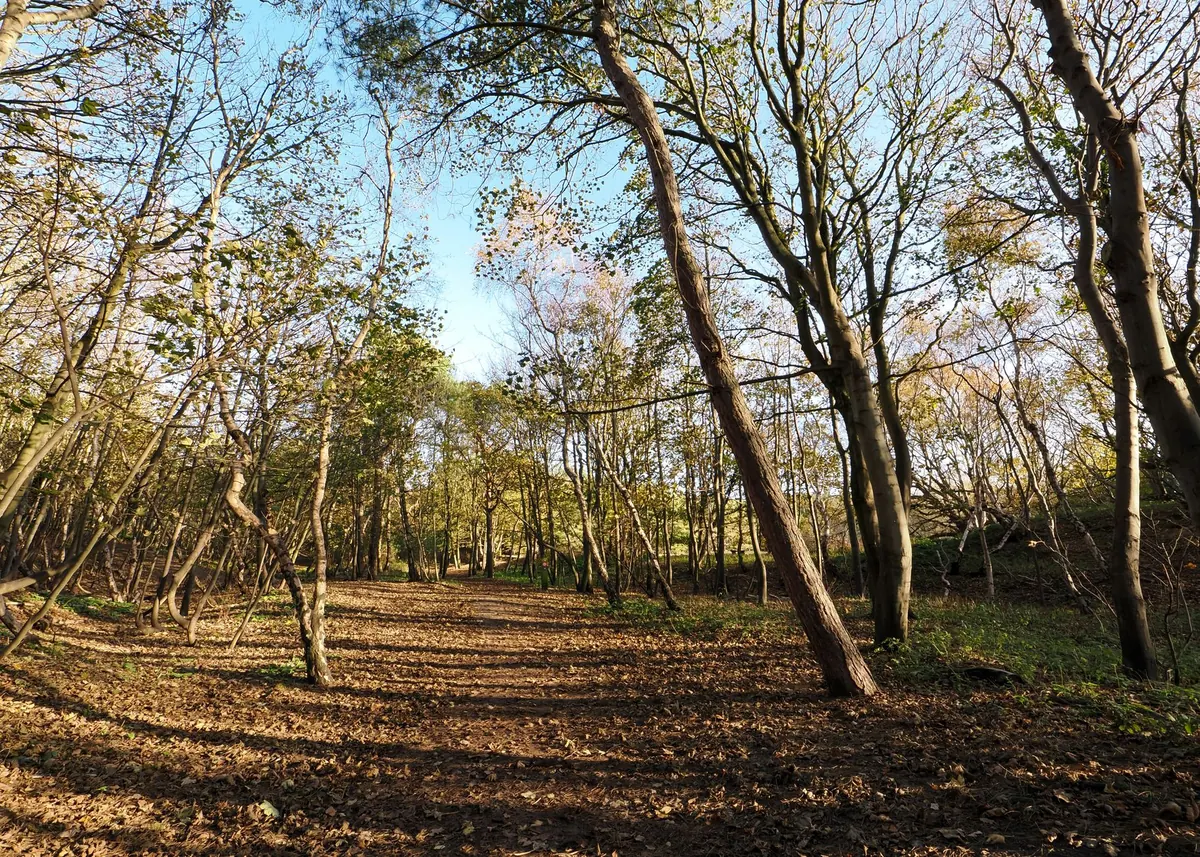
The wood can look empty in February. Bare oaks, soaked leaf litter, a woodpigeon clattering off through the hazel. But the hazel stool at knee height may be holding a dormouse in a nest woven from honeysuckle bark, and the split limb on that old ash may have a brown long-eared bat tucked behind loose bark. Much of what makes a British woodland valuable is small, quiet and legally protected. Looking after it is often a matter of timing and distance.
Disturbance is about energy, not just fright
British wildlife is more used to people than we like to admit. The damage that matters is metabolic. Hibernation and daily torpor are how dormice, bats and many insects survive cold, wet weather and short food supplies, and waking up costs energy. A dormouse roused from hibernation in a cold snap burns fat it cannot replace until hazel catkins and insects return. A bat disturbed in a hibernation site in January can use days' worth of reserves in minutes. Small, repeated interruptions — a torch beam, a hand in a crevice, a dog off the lead — add up quickly.
None of this means woodlands are off limits. It means checking the calendar, keeping to paths, and leaving holes, crevices and nest boxes alone unless you have a reason, a licence where one is needed, and proper training. The same applies to deadwood. A rotting log that looks like rubbish may be a nursery for beetles that take five years to mature.
Hazel dormice: the species to plan your year around
Hazel dormice are fully protected in Britain, and they are the species most likely to change your plans. The breeding season runs roughly May to October. Disturb a female then and she may abandon a nest or shift her young to another one, costing her energy she needs for feeding. Cold, wet spells in summer send them into torpor, so a damp June day carries its own risks.
From about November to March they hibernate on the ground — in leaf litter, under moss, at the base of trees and inside coppice stools. That is precisely where feet, rake heads and chainsaw blades end up. If your work involves clearing ground, schedule it outside the winter months, or have the site checked first. Brash piles are a particular trap: they are warm, damp and safe, and a dormouse may be sleeping in the middle of one. Moving a pile in January can destroy a hibernation site that took the animal weeks to choose.
If you accidentally uncover a torpid dormouse, do not handle it. Gently cover it again with the same leaves and moss, step back, and let it settle. Report the record to your local mammal group or records centre. If the animal is injured or exposed, call a licensed dormouse handler or the relevant wildlife trust for advice.
Signs to look for without touching
You will rarely see a dormouse. You find what it has left behind:
- Hazel nuts with a neat round hole and tooth marks running around the rim. Squirrel and wood mouse damage looks rougher, with scratch marks and jagged edges.
- Woven nests about the size of a tennis ball, made from honeysuckle bark, grass and leaves, tucked into brambles or a shrub tangle. Breeding nests sit higher, often in a tree hole or a box.
- Honeysuckle stems stripped of bark for nest material.
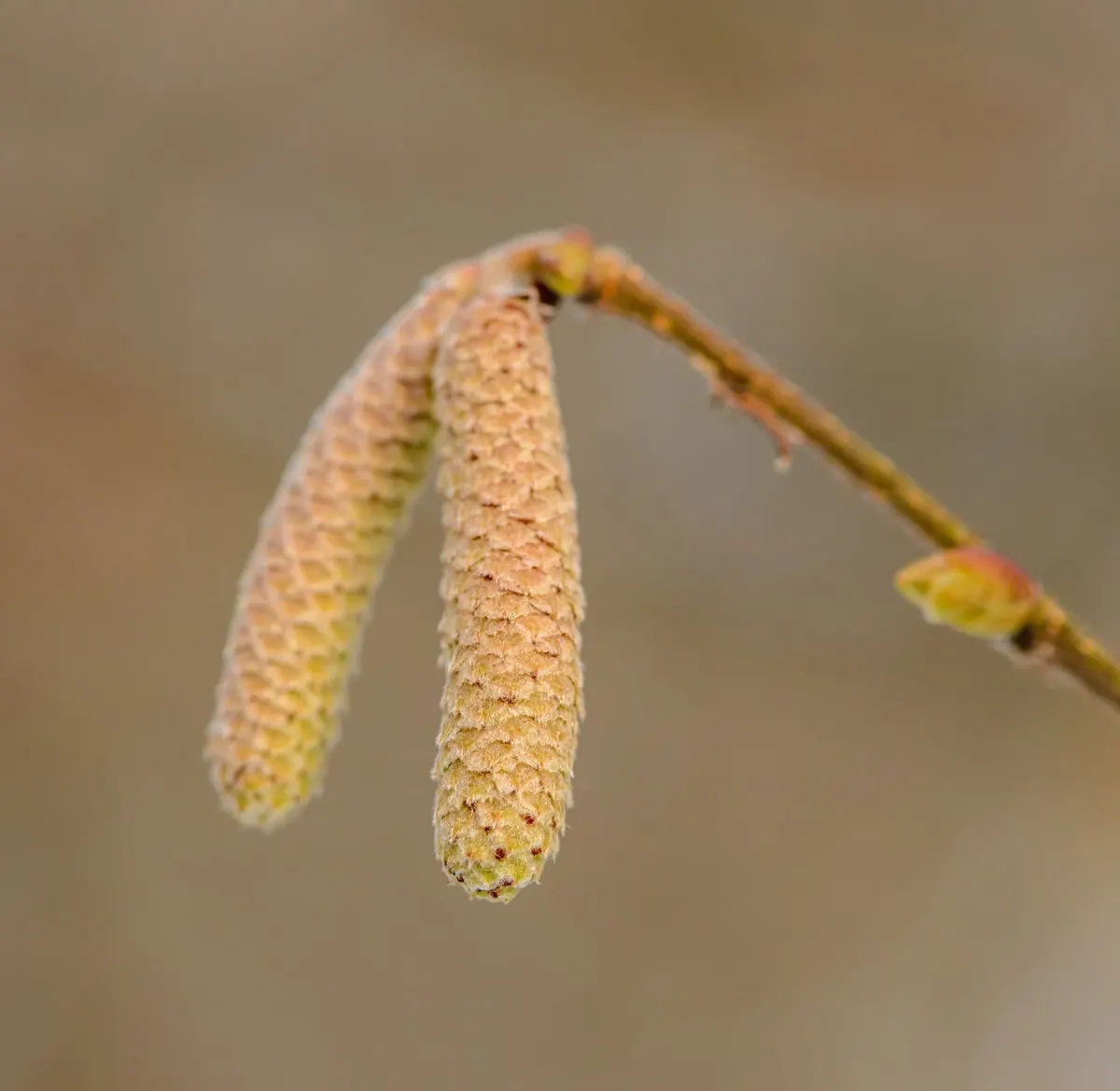
- Green hazel nuts nibbled in late summer and early autumn.
Take a photograph and a grid reference, then put it back. Reading dormouse nuts is a skill. The tooth marks of a dormouse run parallel to the rim, leaving a smooth inner edge; a wood mouse often leaves a rougher hole and scratches the outside. If you are unsure, record it and ask. Do not collect nuts, nests, hair tubes or boxes unless you are part of a licensed survey. The best evidence is often a photograph and a date, not a specimen in a pocket.
Bats: the crevices you cannot see
Bats are harder to find in winter, but a woodland can hold far more than you would guess. Brown long-eared, Natterer's, barbastelle, Bechstein's, noctule and pipistrelle bats all use trees at different times of year. They roost in woodpecker holes, rot cavities, cracks in limbs, loose bark, ivy and old buildings. All British bats and their roosts are legally protected. It is an offence to disturb, damage or obstruct a roost, whether bats are visible or not.
The calendar matters as much as for dormice. Maternity colonies form roughly May to August, when females are pregnant or nursing and young cannot fly. Swarming and mating peak in late summer and autumn. Hibernation runs from about November to March, when bats are cold, slow and vulnerable. A single disturbance in January can wake a bat that has only enough fat to last until spring. It may burn several days' energy in minutes and then fail to survive the next cold snap.
Signs of a roost include droppings below a hole or crevice. Bat droppings are dark, crumbly and often shiny with insect fragments; they may stain wood or stone. You might also see grease marks around an entrance, scratch marks, or hear social calls at dusk. But absence of signs proves nothing. A cavity that looks empty may hold a single bat hidden deep inside. Never push a torch into a crevice, never send a drone close to a tree hole, and never fell a hollow or damaged tree without checking first.
If you find a bat on the ground, do not pick it up with bare hands. Call the National Bat Helpline or a licensed bat worker. If
Photo: Petr Ganaj / Pexels