
There is no silent month in a British wood. Even in the middle of January, when the oaks stand bare and the ground rings hard underfoot, blue tits and coal tits are moving through the canopy in loose, chattering flocks, and next spring is already folded up inside the buds. What changes is not whether there is anything to see, but what to look for. Treat the calendar below as a rough guide rather than a rulebook: a wood in Cornwall can run a fortnight ahead of one in Aberdeenshire, and a cold spring holds everything back by weeks.
January and February: Winter Flocks and Early Stirrings
Bare branches are a gift. With nothing in the way, you can follow birds properly instead of guessing at rustles. The best of it is the mixed tit flock: blue, great, coal and long-tailed tits travelling together through the wood, with goldcrests, a treecreeper working up a trunk and often a nuthatch calling from the side. Find them by ear, then stand still and let the wave of birds come to you.
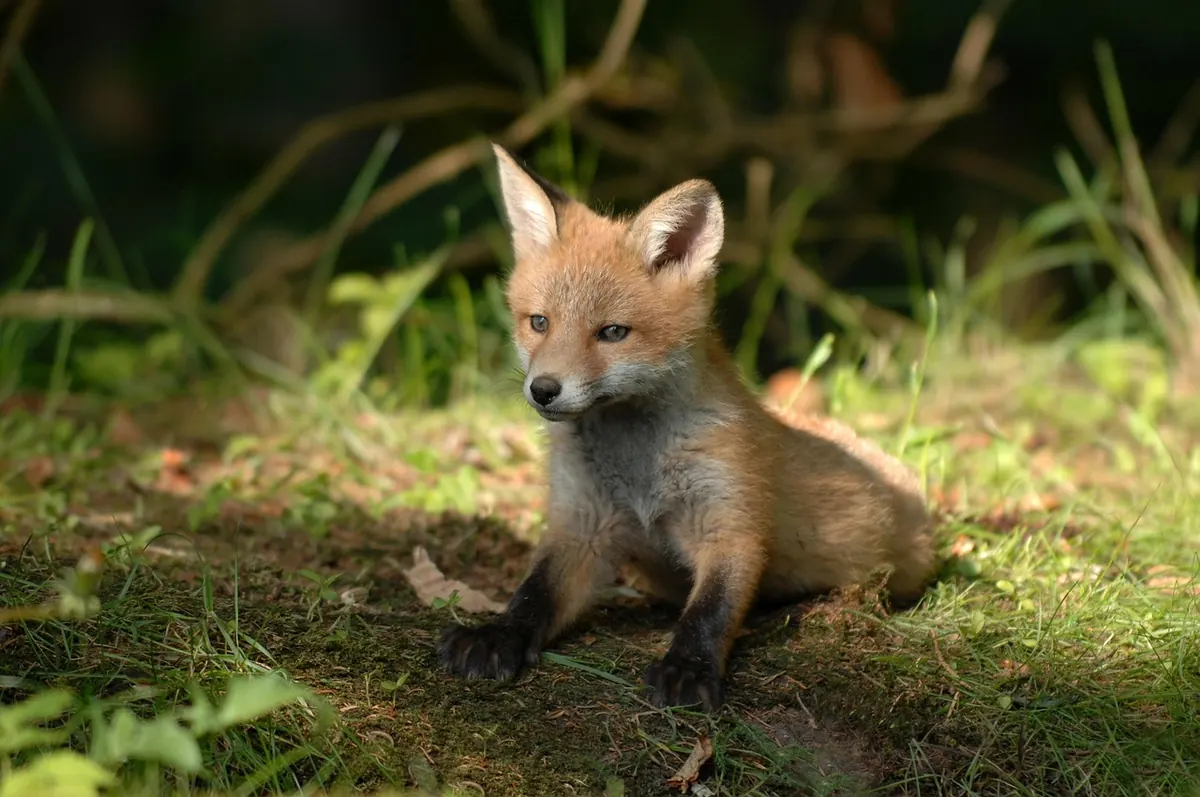
Listen, too, for the first songs of the year. Great tits begin their two-note teacher-teacher in late January, and mistle thrushes often sing on mild, windy days. Tawny owls call at dusk, the male hooting and the female answering with a sharp ke-wick. Look down as well as up: soft ground after rain holds badger tracks, deer slots and fox prints, and owl pellets collect beneath favourite roosts.
By February the amphibians are moving. Common frogs usually spawn first, with clumps of jelly in shallow, sunny pools — often January in the mild south-west, more often March in the north. Toads follow later, and their spawn is unmistakable: long strings wound through the weed rather than a clump. Adders may be out basking on heathland edges on the first genuinely warm afternoon.
March and April: Spawn, Song and the First Green
The chiffchaff is your marker bird. When you hear that steady, two-note song from the treetops, spring has properly started, whatever the weather is doing. Willow warblers arrive a little later, their song a soft descending ripple. Blackcaps sing from the scrub, and in southern woods from mid-April the nightingale returns, singing by day and by night from dense thickets.
On the ground, the woodland floor turns green before the canopy closes: wood anemone, lesser celandine, dog's mercury, wood sorrel. Frogspawn hatches into tadpoles. Wood ants swarm over their domed nests on sunny days. At dusk, woodcock perform their roding flights — slow, owl-like circuits above the treetops with a grunting call and a repeated tchwick. If you hear a hoarse bark from deep cover, that is a roe deer.
May and June: Bluebells and the Dawn Chorus
Bluebells peak from mid-April into May, later in the north. Learn the native plant: the flower spike droops at the tip, flowers hang mostly on one side of the stem, and the scent is sweet and strong. Spanish bluebells stand upright, carry flowers all round the stem and hardly smell. Please keep to paths — trampled bluebell bulbs can take years to recover.
For birdsong, there is nothing like the first fortnight of May. Arrive in the hour before sunrise, and walk in quietly. Robins and blackbirds start first, then the thrushes, then the warblers as the light builds. Stand still for twenty minutes rather than striding on; the birds will resume their territories around you.
Late May into July brings nightjars to heathland-edge woodland, churring at dusk. Woodland butterflies appear as the rides warm up — speckled wood in the dappled light, and in southern woods from late June the white admiral and silver-washed fritillary. If you find a deer fawn lying in the grass, leave it alone. The doe is nearby and will return.
July and August: High Summer in the Canopy
These are the quiet months for birdsong and the busy ones for insects. Rides and glades are thick with hoverflies, bees and day-flying moths, and bats hunt along them at dusk — pipistrelles usually first, quick and erratic.
Look up for purple hairstreaks, small butterflies that spend most of their lives around the tops of oaks and only occasionally descend. Roe deer rut in late July and August, when bucks chase does in tight circles and bark. Ferns have unfurled and the wood feels closed in; a wet spell in August can bring an early flush of fungi.
September and October: Fungi, Mast and the Rut
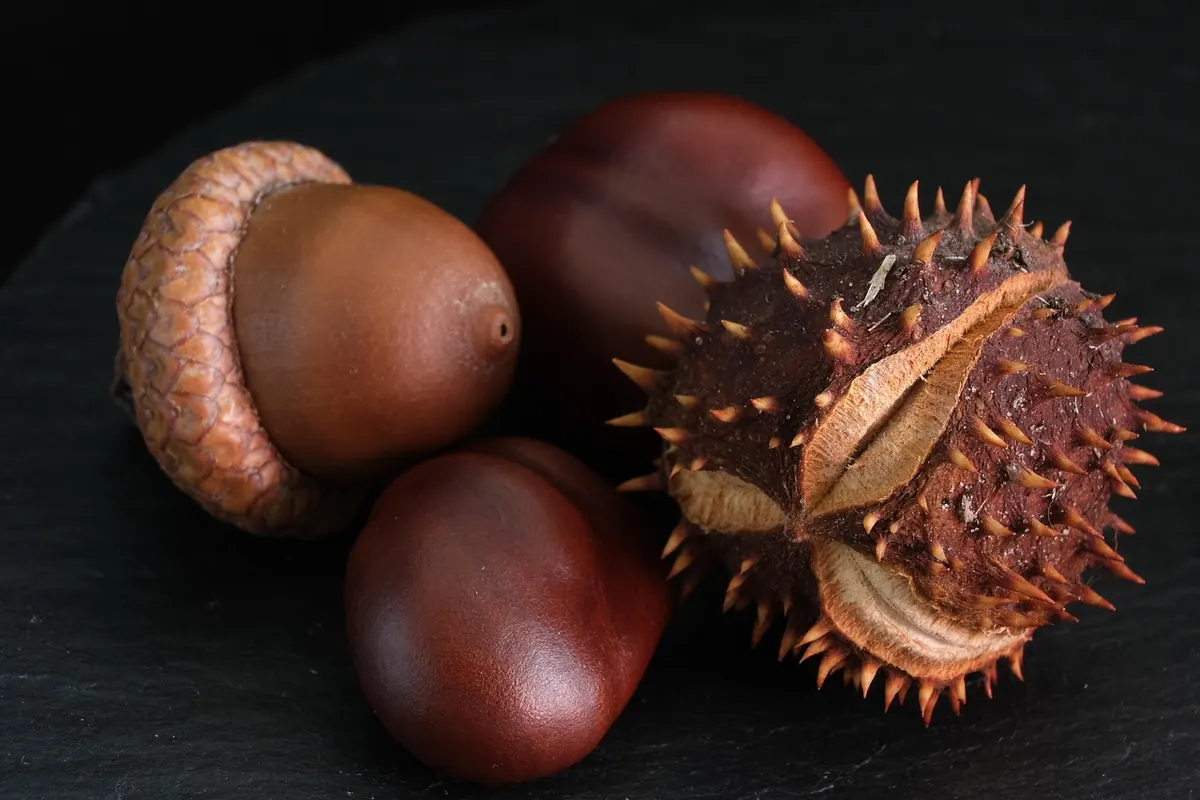
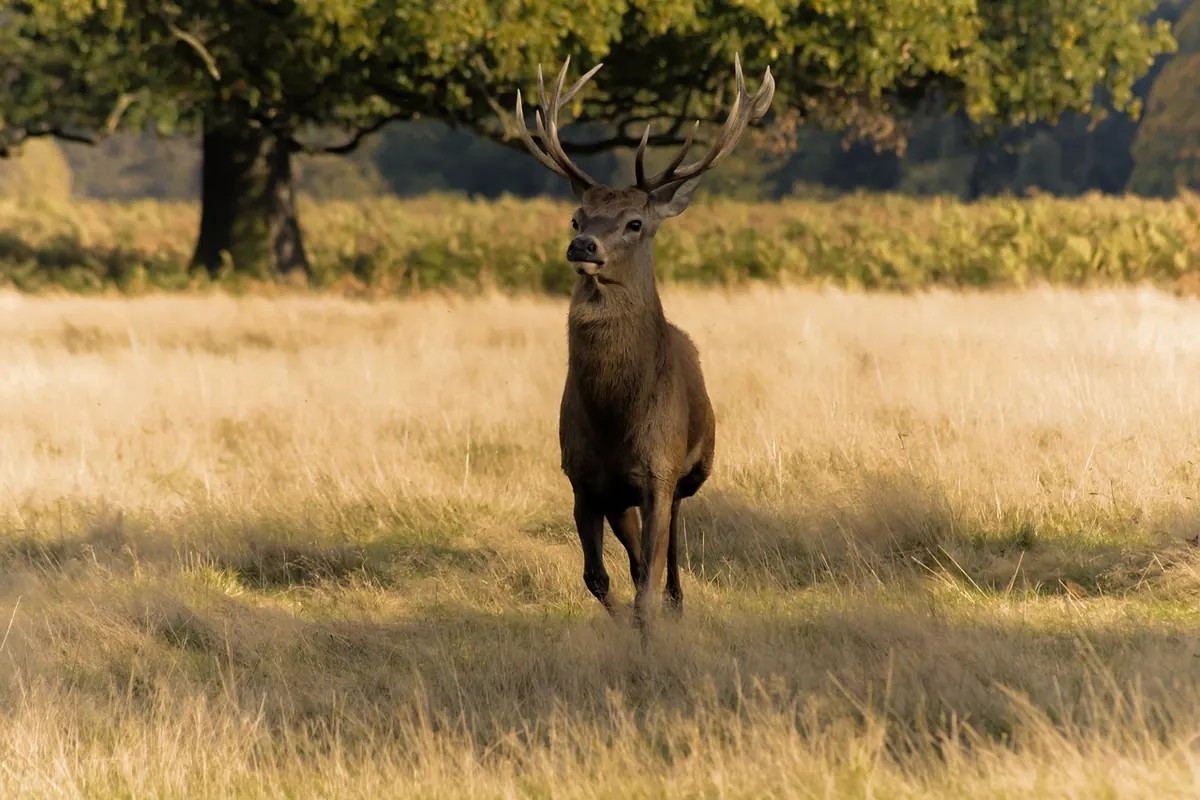
Autumn is the richest stretch for the woodland watcher. Fungi fruit from September, and oak, beech and hazel drop their nuts — jays carry acorns away and bury them, a fine performance to watch from a quiet corner. Red and fallow deer rut in late September and October, red stags bellowing across the valleys and fallow bucks groaning. Keep your distance, never approach a stag, and keep dogs well away and under control.
Migration is on the move too: swallows and warblers gather and slip south, while the first redwings and fieldfares arrive from Scandinavia to strip rowan and hawthorn berries.
November and December: Berries, Winter Thrushes and Owls
Once the leaves fall, the wood opens up again and everything becomes easier to see. Winter thrushes work through the berry crop in restless flocks, joined by siskins and redpolls in the alders and birches. Woodcock from the continent day-roost on the woodland floor and burst out from underfoot when you get close.
Tawny owls start calling in earnest from December, and it is worth being in the wood at dusk simply to listen. Foxes scream, deer move quietly through the dark, and the wood is far from asleep.
Getting the Most From a Woodland Year
Most of what you see comes down to timing and stillness rather than equipment.
- Go early or late. The first hour after dawn and the last before dusk are reliably the best.
- Stop and stand for twenty minutes before moving on. Birds and mammals settle far faster than most people expect.
- Scan three levels: canopy, mid-storey and ground. Different species live in each.
- Follow sound rather than sight, particularly for flocks in winter.
- Keep a simple notebook of dates and places. Patterns across years are the real pleasure of watching one wood closely.
Dress for mud and wet ground, and check yourself for ticks afterwards. If you are bitten and later feel unwell, speak to a doctor rather than waiting it out. Never eat a fungus you cannot identify with complete certainty; some are seriously poisonous, and an identification app is not proof. Follow the Countryside Code: stay on paths where they exist, take litter home, leave nests and dens undisturbed, and keep dogs under close control, especially in spring when ground-nesting birds and young deer are vulnerable.
Photo: 627389 / Pixabay